

Patients Are Now Traveling to Los Angeles for Microvascular Decompression Surgery for Hemifacial Spasm
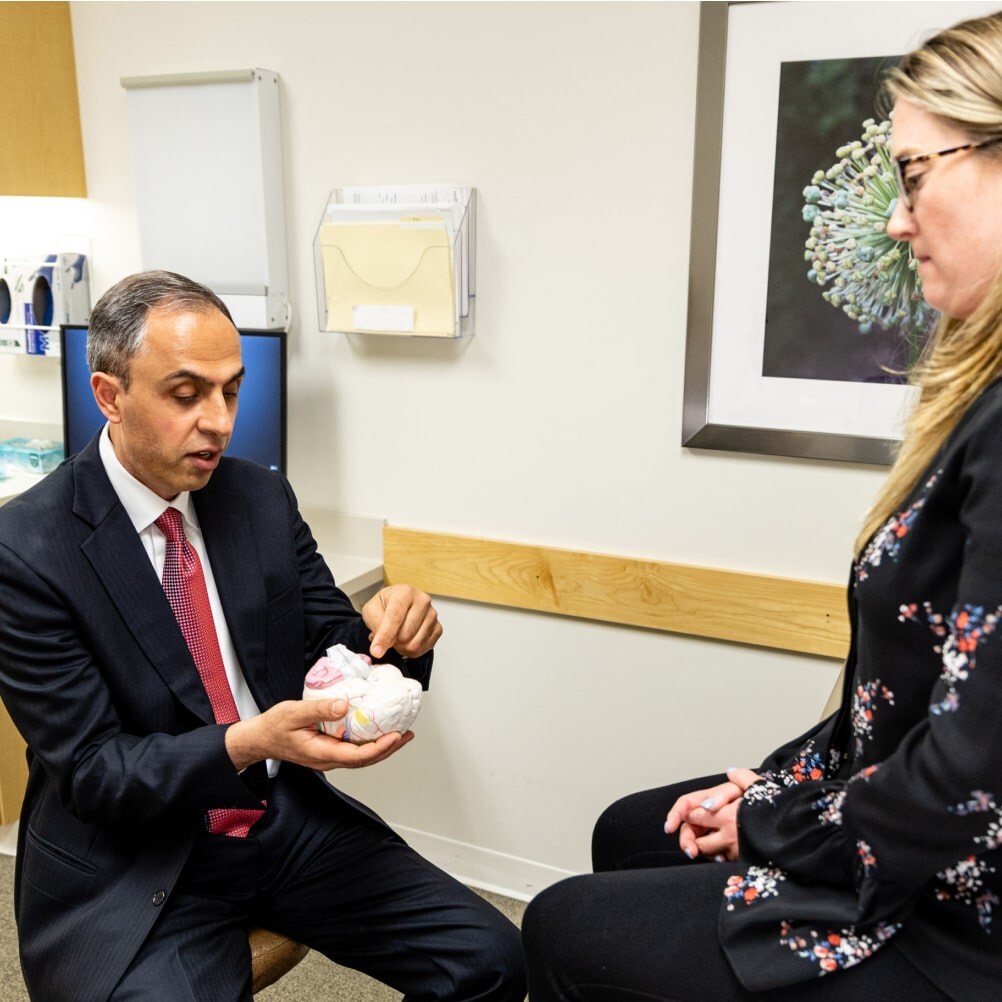
Dr. Aaron Cohen-Gadol
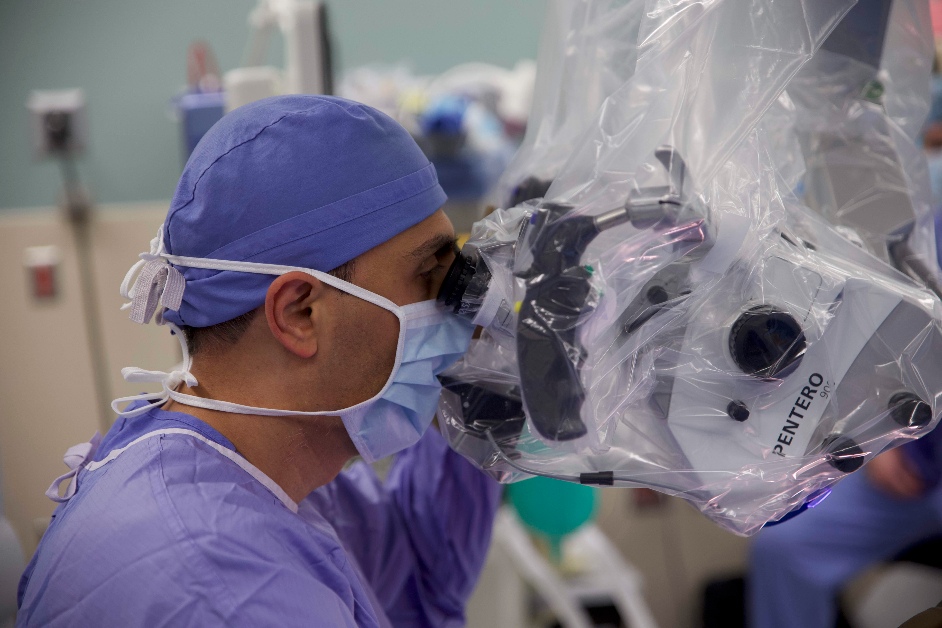
Dr. Aaron Cohen-Gadol Operating on a Petroclival Meningioma
ATLAS Institute Brain and Spine
Dr. Aaron Cohen-Gadol has performed over 600 microvascular decompression procedures for hemifacial spasm and trigeminal neuralgia
What actually carries risk is not the surgery itself — it is inexperience.”
LOS ANGELES, CA, UNITED STATES, July 22, 2026 /EINPresswire.com/ -- Hemifacial spasm — the involuntary, repetitive twitching of muscles on one side of the face — is not dangerous, but it is relentless. Patients describe an eye that will not stay open, a mouth that pulls unpredictably mid-conversation, and years of social anxiety before they are even correctly diagnosed. Most are offered Botox injections first. Far fewer are told, at that first visit, that a single surgery addresses the actual cause of the spasm and can offer a lasting cure. Increasingly, patients who want that full picture — and the surgery itself — are traveling across the country, and internationally, to Dr. Aaron Cohen-Gadol, a Los Angeles–based neurosurgeon who has performed hundreds of microvascular decompression procedures for hemifacial spasm.— Dr. Aaron Cohen-Gadol
Why Surgery Deserves a Seat at the Table Before Repeated Botox
Hemifacial spasm is caused, in the overwhelming majority of cases, by a blood vessel pulsing against the facial nerve as it exits the brainstem — a mechanical problem. Botox and medication do not touch that cause; they temporarily paralyze or calm the muscles the nerve is over-firing into. Dr. Cohen-Gadol believes patients deserve to understand the tradeoffs of that approach before committing to years of repeat treatment:
● Botox is a treatment, not a cure. Injections reduce spasm severity in the large majority of patients, but the effect wears off within three to six months, requiring injections indefinitely. Nothing about the underlying vascular compression changes between treatments.
● Repeated injections carry their own cumulative risks. Long-term Botox use can lead to permanent facial weakness and cosmetic asymmetry that many patients find just as unacceptable as the spasm itself, along with the ongoing risk of nerve irritation from repeated needle injections into the same muscles, year after year.
● Microvascular decompression addresses the cause directly. By gently moving the compressing blood vessel off the facial nerve and placing a permanent cushion between them, surgery removes the source of the problem in a single operation, rather than managing its symptoms indefinitely.
● The cure rate is high — and durable. More than 80% of appropriately selected patients experience complete, lasting relief after microvascular decompression, with many seeing improvement within days to weeks and results that persist for years, not months.
For these reasons, Dr. Cohen-Gadol believes surgery deserves to be discussed as a primary option — not a last resort reserved for patients who have already spent years cycling through injections — for patients who are good surgical candidates and who want a durable solution rather than a recurring one.
Confronting the Myth: Is the Surgery Actually Risky?
The single biggest reason patients delay or avoid microvascular decompression is fear — the belief that any surgery near the brainstem must be exceptionally dangerous. Dr. Cohen-Gadol addresses this directly: in experienced hands, this operation is not the high-risk procedure many patients imagine.
● The data does not support the fear. At experienced centers, microvascular decompression for hemifacial spasm carries a strong safety profile: temporary facial weakness occurs in a small minority of patients and typically resolves, and serious complications are uncommon. This is not an experimental or fringe procedure — it is a well-established operation performed for decades with a well-characterized risk profile.
● Experience is what actually drives safety. The risk profile of this surgery is not fixed — it depends heavily on the surgeon's experience with this exact operation. A neurosurgeon who has performed the procedure hundreds of times, and who understands the precise anatomy of facial nerve compression, can identify the offending vessel more reliably and minimize manipulation of surrounding structures, which is where risk in this surgery actually comes from.
● The realistic recovery is short. Most patients spend a few days in the hospital and return to non-strenuous activity within one to two weeks — a far cry from the extended, high-risk recovery many patients picture when they hear "brain surgery."
"I understand why patients are afraid — the idea of surgery near the brainstem sounds terrifying," said Dr. Cohen-Gadol. "But the reality, in experienced hands, is that this is a very safe, well-understood operation with a high rate of cure. What actually carries risk is not the surgery itself — it is inexperience. My job is to make sure patients have accurate information, not fear-based assumptions, when they are deciding between years of repeat injections and a single procedure that can end the problem."
Why Patients Travel for This Specific Expertise
● Hemifacial spasm is frequently misdiagnosed or overlooked for years before patients reach the right specialist. Dr. Cohen-Gadol has dedicated a significant portion of his practice to cranial nerve disorders, with hundreds of microvascular decompression procedures performed.
● Dr. Cohen-Gadol is one of only a small number of neurosurgeons worldwide to receive the Vilhelm Magnus Medal from the Scandinavian Neurosurgical Society — an honor sometimes described as neurosurgery's equivalent of a Nobel Prize.
● As founder of the Neurosurgical Atlas — used by more than 70,000 physicians and surgeons worldwide — he continuously studies, refines, and teaches the very techniques he uses in the operating room, including the chapter on microvascular decompression for hemifacial spasm.
● His practice offers remote second-opinion review of imaging and symptom history before a patient ever books travel, so patients can find out whether they are a good surgical candidate before committing to a trip to Los Angeles.
A Second Opinion Before a Plane Ticket
Dr. Cohen-Gadol performs his surgeries at Cedars-Sinai Medical Center and Saint John's Health Center in Los Angeles, where he leads the ATLAS Institute of Brain and Spine. His practice accepts both in-person and virtual second-opinion consultations, allowing patients anywhere in the world to have their imaging and symptom history reviewed directly by Dr. Cohen-Gadol before deciding whether to travel for treatment.
For patients living with hemifacial spasm who want to understand whether microvascular decompression could offer a lasting cure — before committing to years of repeat Botox injections — Dr. Cohen-Gadol's office can be reached at (310) 626-1312 or through www.aaroncohen-gadol.com.
Media
Relations
email us here
Visit us on social media:
Instagram
Facebook
X
Legal Disclaimer:
EIN Presswire provides this news content "as is" without warranty of any kind. We do not accept any responsibility or liability for the accuracy, content, images, videos, licenses, completeness, legality, or reliability of the information contained in this article. If you have any complaints or copyright issues related to this article, kindly contact the author above.
